App Now!




 May 14, 2026
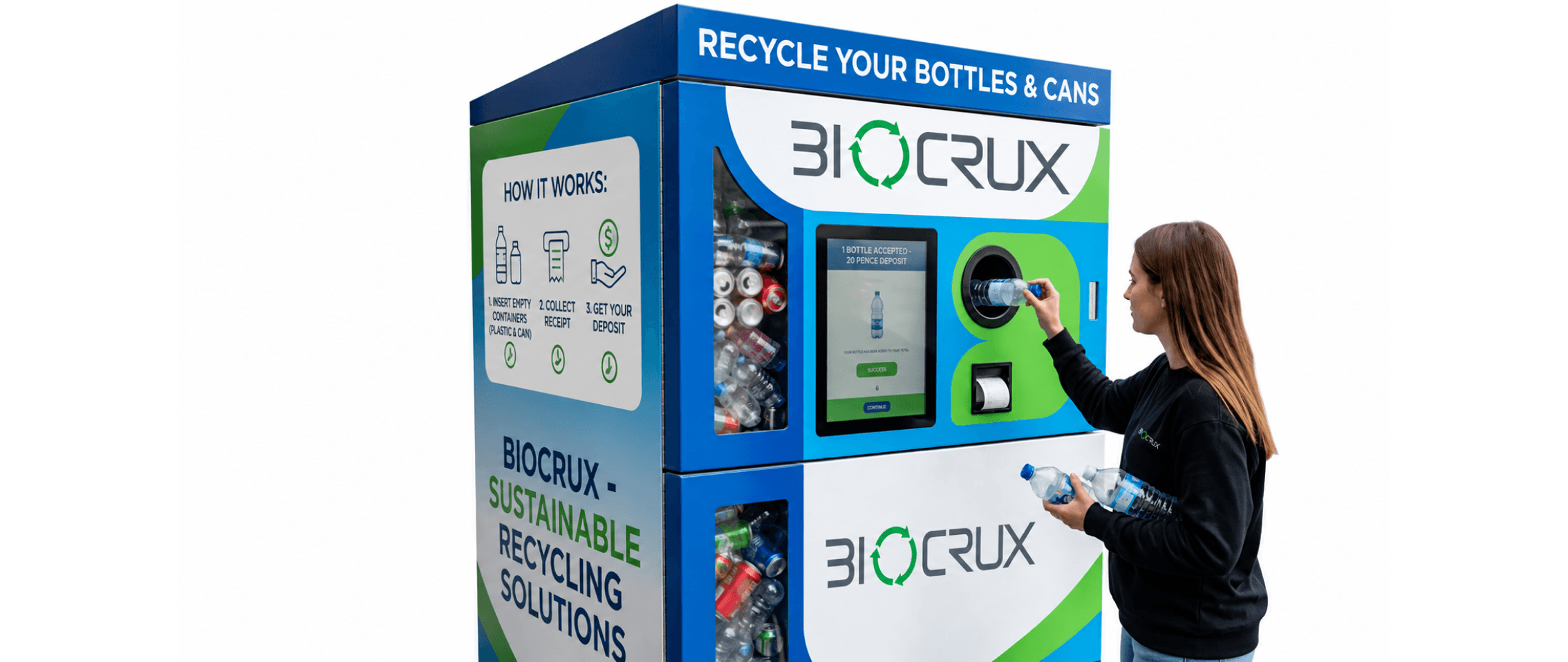
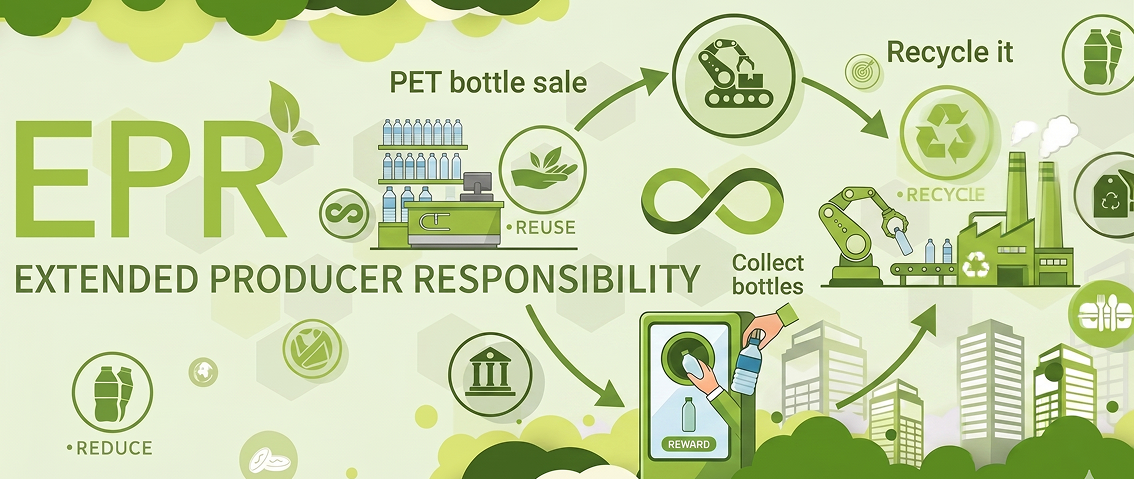
Extended Producer Responsibility (EPR) is a policy approach under the Plastic Waste Management Rules where producers, importers, and brand owners (PIBOs) are made responsible for the entire lifecycle of the products they put on the market—particularly the post-consumer stage. Essentially, if a company sells a product in a plastic bottle, they are legally obligated to ensure an equivalent amount of plastic is collected and recycled. The biggest hurdle in EPR is the "informal sector leakage." Often, waste goes from consumers to ragpickers, then to local aggregators, and finally to processors. In this fragmented chain, data is lost, and it becomes difficult for a brand to prove that their efforts resulted in actual recycling. The project begins by installing Biocrux Reverse Vending Machines (RVMs) at high-traffic sources such as malls, airports, and corporate offices. Instead of selling waste to middlemen, the collected material is transported to a dedicated Biocrux-managed MRF (Collection Center). By skipping the unorganised sector (who often mix materials or lack proper documentation), the project creates a high-integrity supply chain.
The Challenge of Traceability
Phase 1: Point of Consumption Collection through Reverse Vending Machine (RVM)
Phase 2: Setting up a Material Recovery Facility (MRF)
Phase 3: Direct-to-Processor Logistics
Total RVM Machines
Number of Bottles Recycled
CO2 Reduction
Landfill Reduction